 how-to
How to Schedule a Home Inspection Before Buying
Table of Contents
- Why Scheduling a Home Inspection Early Matters
- How to Find a Home Inspector
- Questions to Ask a Home Inspector Before Hiring
- Booking Your Inspection Appointment
- How Long Does a Home Inspection Take
- Preparing Your Home and Yourself for the Inspection
- Home Inspection Report and Next Steps
- Frequently Asked Questions
Last Updated: October 17, 2026
Why Scheduling a Home Inspection Early Matters
Many buyers wait until the last minute, which is a mistake. Early scheduling means more inspector availability and results back with time to spare before your inspection contingency deadline.
An inspector checks the roof, foundation, plumbing, electrical, heating, and more, spotting problems you'd never notice on a walkthrough. Getting this done early protects your investment and keeps surprises to a minimum.
How to Find a Home Inspector
Most buyers start by asking an agent, a friend, or searching online. That's fine as a starting point, but a home inspection is only as useful as the person performing it, and inspectors differ widely in scope, reporting quality, and communication.
Where to build a shortlist
- A local service-provider platform like MyProBook. Search for home inspectors serving your area, review profiles, and compare stated experience and client feedback in one place. MyProBook helps you discover and connect with independent professionals; it does not perform inspections or guarantee outcomes, so your own vetting still matters.
- Referrals from people who recently bought. Ask what the inspector actually found, how long the report took to arrive, and whether they'd hire the same person again. A referral without those details is just a name.
- Professional association directories. Inspector associations maintain member listings and often publish standards of practice and codes of ethics you can read before you call.
- Your real estate agent. Agents work with inspectors regularly, but treat their list as one input, not the decision. You are the one who lives with the findings.
A practical vetting checklist
Before you book, confirm the following. A reputable inspector will answer without hesitation.
Credentials and standing
- What certification or licensing do they hold, and through which body?
- Are they in good standing with that body, and can they show proof?
- What continuing education have they completed in the past year or two?
Insurance
- Do they carry errors and omissions (E&O) insurance and general liability coverage?
- Can they provide a certificate of insurance on request?
Scope and standards
- Which standards of practice do they follow, and what is explicitly excluded?
- Do they inspect the roof from the surface, from the ground, or with a drone?
- Do they enter crawlspaces and attics, and under what conditions would they decline?
- Which systems are tested, electrical panel, HVAC, plumbing supply and drainage, water heater, foundation, drainage grading?
Reporting
- Can you see a sample report before you book? Look for photos, clear severity language, and plain-English summaries rather than a bare checklist.
- How soon after the inspection is the report delivered?
- Is the report delivered in a format you can share with your agent and, if needed, a contractor?
Communication and access
- Will they walk you through findings on site, or only in the report?
- Can you attend, and can you ask questions during the walkthrough?
- How do they handle follow-up questions after the report lands?
References
- Ask for two or three recent client references, ideally for homes similar in age and type to yours.
Match the inspector to the property
A century home with knob-and-tube wiring, a mid-century bungalow with galvanized plumbing, and a new-build condo each call for different experience. Ask how many homes like yours they've inspected in the past year; an inspector who mostly handles new construction may not fit a 1920s property.
Don't decide on fee alone
A lower fee is no saving if the report misses a failing roof or an undersized electrical service. Compare inspectors on scope, sample report quality, and communication, then weigh fee.
Questions to Ask a Home Inspector Before Hiring
Before you book, ask key questions about their process and credentials.
Ask about their experience:
- How many years have they been inspecting homes?
- Do they have specific experience with homes similar to yours (age, style, size)?
- Are they certified or licensed in your province?
Ask about their inspection process:
- How long does the inspection typically take?
- What systems and areas do they cover?
- Do they use specialized equipment like thermal imaging?
- Will they provide a written report?
- How soon after the inspection will you receive the report?
Ask about their availability:
- When can they perform the inspection?
- Do they offer evening or weekend appointments?
- How far in advance do you need to book?
Ask about their communication style:
- Can you walk through the home with them during the inspection?
- Will they explain findings as they go, or only in the final report?
- How do they handle questions from buyers?
These answers build confidence in your choice and set clear expectations.
Booking Your Inspection Appointment
Booking takes minutes; the harder part is fitting the inspection into your offer timeline so you have room to act on what it finds.
The scheduling sequence for buyers
- Confirm your inspection period first. Before you call anyone, read your offer or agreement of purchase and sale and confirm the inspection condition, how many days you have, what triggers the clock, and what the condition requires you to do. Contract terms vary, and the clock usually starts on acceptance, not on the day you start looking for an inspector.
- Book within the first day or two. As soon as the offer is accepted, schedule home inspection by contacting your shortlisted inspectors. Good inspectors fill up, and the earliest slots give you the most room to maneuver.
- Coordinate access with the seller through your agent. The inspector needs a confirmed window when the property is accessible and utilities are on. Lock that down before you confirm the booking.
- Leave a buffer before the deadline. Aim to have the inspection completed with several business days to spare, enough time to read the report, get a contractor's opinion on any major finding, and decide whether to negotiate, request repairs, or walk away.
The deadline math
Work backward from your condition expiry date, not forward from today. A simple pattern many buyers use:
Find a Home Inspector in Edmonton →
- Day 0: Offer accepted; inspection clock starts.
- Days 1-2: Book the inspector and confirm access with the seller.
- Days 3-5: Inspection performed.
- Days 5-7: Report received and reviewed; contractor input on any major finding.
- Days 7-10: Negotiation or waiver decision, with a cushion before the deadline.
Treat this as a template, not a rule; exact days depend on your contract and risk comfort. If your inspection period is short, book the inspector first, availability is the constraint you can't negotiate.
What to have ready when you book
- Property address and type (detached, semi, condo, etc.)
- Approximate age and size of the home
- Your preferred dates and any hard deadline
- Your contact details and the best number to reach you
- Whether you plan to attend in person
When your first-choice inspector is unavailable
This is common in busy seasons, and planning pays off.
- Keep a backup list. Have two or three vetted inspectors ready before you need them, not after your first choice says no.
- Ask about cancellations. Inspectors often have last-minute openings; ask to be called if a slot frees up.
- Widen the window. Offer a morning or afternoon block rather than a precise time, flexibility often unlocks an earlier slot.
- Consider a specialist add-on separately. If your general inspector is booked but a specialist (roof, sewer scope, pest, radon) can attend sooner, you can sometimes sequence them around the general inspection rather than waiting for one person to do everything.
- Don't let a booking delay eat your contingency. If availability is tight, tell your agent early so you can discuss options within the contract terms, not after the deadline has passed.
Confirm in writing
Once booked, get a written confirmation that includes the date, time window, inspector's name and contact number, scope of the inspection, and expected report delivery time. Ask what preparation the seller should do (access to attic, basement, crawlspace, and utility panels; utilities on) and pass that along through your agent.
How Long Does a Home Inspection Take
A typical home inspection takes 2 to 3 hours, depending on the home's size, age, and condition (FAQ's).
Smaller homes or condos might take 90 minutes; larger or older properties with more systems might take 3-4 hours. Significant issues may add documentation time.
Plan to be present. Walk through with the inspector to ask questions, see what they're looking at, and learn about your home's systems and maintenance needs.
Some inspectors offer virtual inspections for preliminary assessments, but a full in-person inspection is standard and most reliable.
Inspection Type | Typical Duration | Best For |
|---|---|---|
Standard home inspection | 2-3 hours | Most residential purchases |
Condo or small home | 90 minutes | Smaller properties |
Older or large home | 3-4 hours | Homes with more systems to check |
Specialty inspection | 1-2 hours | Specific concerns (roof, foundation, etc.) |
Preparing Your Home and Yourself for the Inspection
Make sure utilities are on so the inspector can test outlets, water pressure, heating, and cooling, and leave doors unlocked for access.
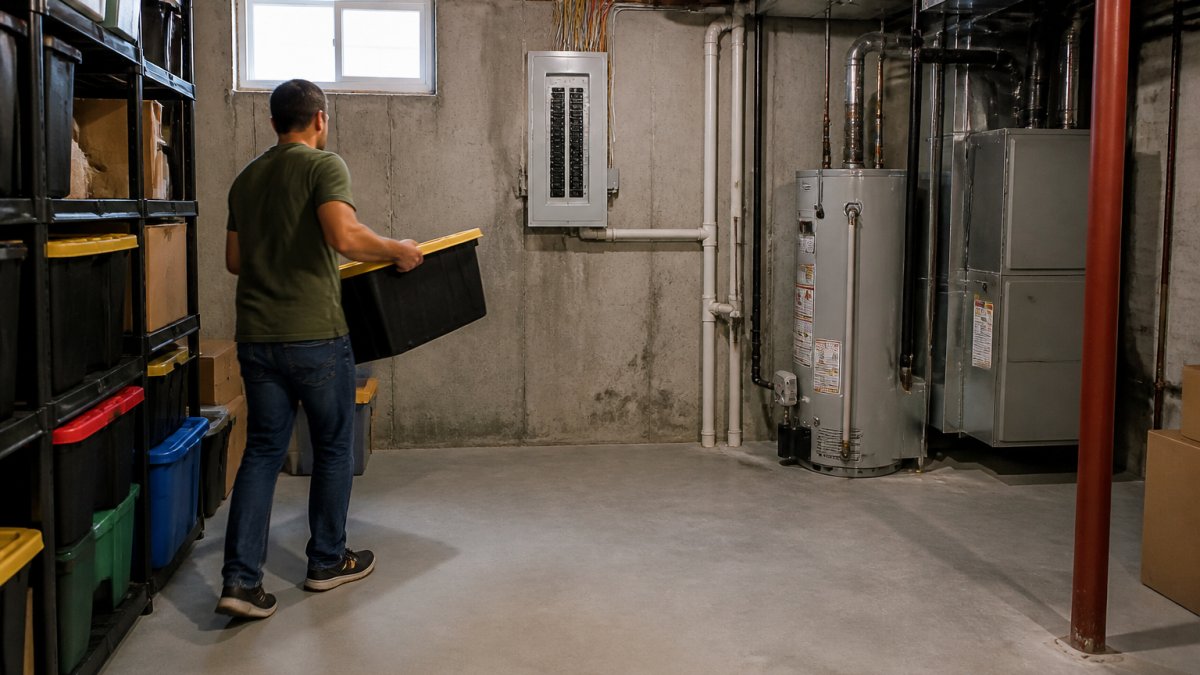
If you're the buyer, arrive early with a notebook.
Dress for crawlspaces and attics: comfortable clothes, shoes you don't mind getting dirty, and a flashlight for dark corners.
If you're the seller, have property documents ready; the inspector may ask about past repairs, renovations, or known issues, and transparency keeps things moving.
Home Inspection Report and Next Steps
After the inspection, a detailed report typically arrives within 24-48 hours, listing every system checked, conditions found, and repair or evaluation recommendations.
If you're the buyer, use the report to make decisions:
- Request the seller fix major issues before closing
- Negotiate a credit toward repairs you'll handle yourself
- Get repair quotes to understand the real cost
- Walk away if repairs exceed your budget or comfort level
If you're the seller, don't ignore the report. Address major issues before listing. Buyers expect transparency about property condition.
Get repair quotes from qualified contractors if needed. Use MyProBook to find local professionals who can fix any problems the inspection uncovered.
Frequently Asked Questions
When should I schedule a home inspection after making an offer?
Schedule your home inspection as soon as your offer is accepted. Most purchase agreements include an inspection period (typically 5–10 days) during which you can arrange and complete the inspection. Booking early gives you time to receive the report, review findings, and decide on next steps before the inspection deadline expires. Contact your real estate agent or lawyer to confirm your specific inspection period dates.
How do I find a qualified home inspector?
Ask your real estate agent for referrals, check online reviews and local professional associations, and request credentials and insurance information from candidates. A qualified inspector should have relevant certifications, liability insurance, and a clear fee structure. You can also use local service-provider platforms to find and compare home inspectors in your area, read customer reviews, and request quotes before booking.
Can I attend the home inspection?
Yes, most buyers attend their home inspection. Being present lets you ask questions, learn about the property's systems and condition, and understand the inspector's findings firsthand. Discuss attendance when you book your appointment to confirm it's permitted and to understand any access or safety requirements.
What should I do if the inspection report reveals major issues?
Review the report carefully with your real estate agent or lawyer. You can request repairs from the seller, ask for a credit toward closing costs, renegotiate the purchase price, or in some cases, withdraw from the purchase if issues are severe enough to trigger your inspection contingency. Act promptly, as you typically have a limited time window to respond before the inspection period closes.
Scheduling a home inspection early protects your biggest investment. Finding the right inspector through a platform like MyProBook takes the stress out of the search. You get access to local professionals with verified credentials and real client reviews. Start your inspection process today and move forward with confidence in your home purchase decision.